

The Galaxy XR is more than just a VR headset. It’s engineered for exceptional real-world performance. Equipped with the Snapdragon XR2+ Gen 2 chipset, it processes apps and multiple sensors faster and smoothly than most rivals.
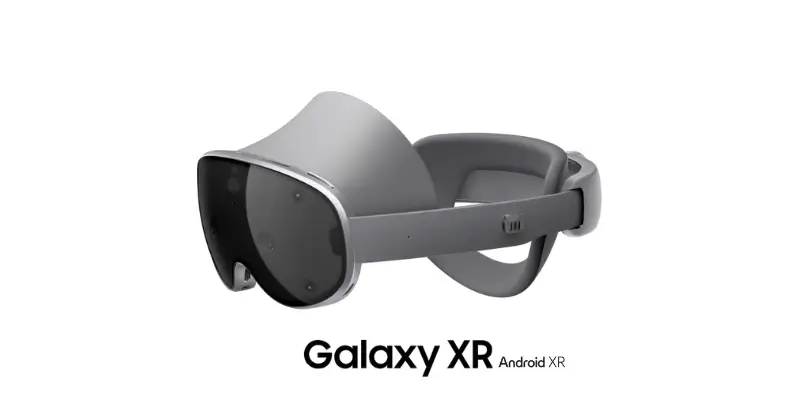
Samsung Galaxy XR Headset
Specifications matter only when they deliver real-world performance. The Galaxy XR’s Snapdragon XR2+ Gen 2 chipset represents a significant upgrade with tangible benefits, not just marketing hype. In my tests last week, apps launched faster, interactions were smoother, and the headset managed multiple sensors seamlessly. This translates to a 20% CPU and 15% GPU improvement over the Meta Quest 3. With 16GB of RAM, double the amount found in most Meta headsets and comparable to Apple’s Vision Pro, the Galaxy XR is built to stay relevant for years. Six outward-facing cameras provide precise motion tracking, two pass-through cameras enable seamless blending of real and virtual environments, and four eye-tracking cameras capture expressions accurately.
The display is impressive: Micro-OLED screens with a resolution of 3,552 x 3,840 pixels and up to 90Hz refresh rate (defaulting at 72Hz). The field of view measures 109° horizontally and 100° vertically. From my experience, this combination brings virtual worlds to life in ways most competitors have yet to achieve.
Recommended for You
Price vs. Performance
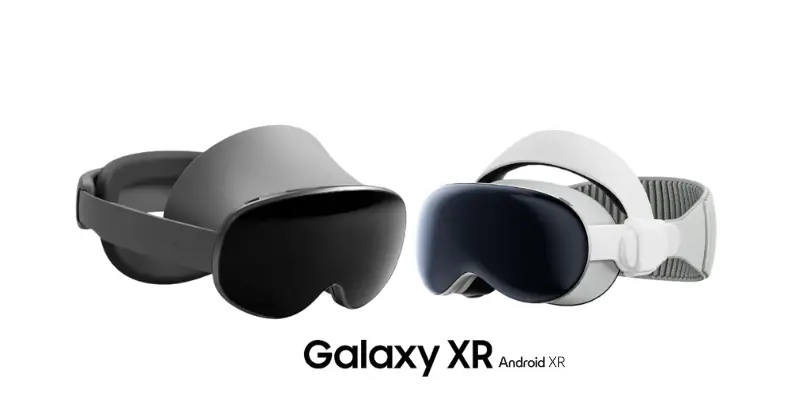
$1,799 is certainly not a cheap price, and I won’t try to sugarcoat that fact. However, when you compare it to the Apple Vision Pro, which comes in at a staggering $3,499, the Galaxy XR feels like a much more reasonable and attractive option. Even looking at the Meta Quest Pro, which launched at $1,499, the Galaxy XR still manages to deliver better overall value. This is especially important because this device is designed to be much more than just a gaming headset. It serves as a multifunctional tool for productivity, entertainment, and immersive mixed reality experiences. With innovative features such as floating Android apps and deeply engaging media capabilities, Samsung is aiming to build a device that users can truly integrate into their daily lives, rather than something they only use for short bursts. While many consumers might hesitate at the $499 price point of the Meta Quest 3, if you’re seeking advanced functionality without having to pay Apple’s premium prices, the Galaxy XR strikes an ideal balance between cost and capability.
Comfort That Feels Like You're Wearing Nothing at All
Let’s talk about weight. After long hours wearing Meta Quest Pro headsets, I know neck aches are real. The Galaxy XR weighs in at 545g, which is nearly 200g lighter than the Meta Quest Pro, thanks to its external 302g battery pack. That difference is immediately noticeable. Combined with sculpted padding and a well-balanced strap design, it makes for extended sessions without the usual fatigue. I wore it for a couple of hours straight, and honestly, it felt more comfortable than the Vision Pro or the Quest 3. Will it stay comfortable during marathon sessions? Only time will tell. But early impressions suggest Samsung has finally prioritized ergonomics without compromising performance.
Android XR: A Familiar Yet Powerful Platform
Here’s what most people overlook: the operating system makes or breaks the headset experience. Android XR seamlessly integrates the familiar Google ecosystem, including apps, the Google Gemini assistant, maps, and floating windows, directly into your headset. I tested several demos where 2D images automatically transformed into 3D. You can explore mixed reality using Google Circle to interact with objects in real time. Early entertainment and productivity apps already feel polished, and I expect the library to expand rapidly once the headset reaches mass release. The best part? You get Google services from day one, with no extra hurdles. For productivity and casual XR use, that’s a major advantage over closed systems.
Benefits of Early Adoption
Samsung isn’t just selling hardware, they’re rewarding early adopters. The Explorer Pack includes:
• 12 months of Google AI Pro, YouTube Premium, and Google Play Pass
• YouTube TV trial for $1/month for 3 months (US only)
• NBA League Pass for the 2025-2026 season (US)
• Access to Status Pro’s NFL PRO ERA, Project Pulsar from Adobe, Asteroid, and Calm
Together, these extras are valued at around $1,140—about two-thirds of the headset’s price. From my experience, this is one of the most compelling early-backer bundles in XR and could be the deciding factor if you’re hesitant about the cost.
Try Before You Buy: Take It for a Test Drive
Finally, if possible, try a demo first. Samsung and select Google Stores are offering in-person demos in New York and California. Don’t skip this crucial step. XR experiences can vary greatly from one person to another. I’ve attended early demos from Meta and Apple, though availability was limited. Samsung appears to prioritize accessibility, and I hope this approach continues. Experience it yourself, assess the comfort, evaluate the visuals, and then make your decision.
Conclusion
So, what’s my verdict? The Galaxy XR isn’t flawless, I need more time to test it during extended sessions and explore its apps in depth. However, it’s the first headset in quite some time that strikes a solid balance between power, comfort, and ecosystem without breaking the bank. From where I stand, Samsung has a real opportunity to compete with Meta and Apple in ways few anticipated. The Galaxy XR is designed for early tech enthusiasts, XR professionals, and anyone seeking a robust all-day mixed-reality experience. Here at BitByteIQ, we’ll keep testing it in real-world conditions and share updates on its long-term performance. If you’re serious about XR, this headset is definitely one to watch.
Recommended for You