

iOS 26.1 has just arrived, and while it might not make headlines, it addresses those little irritations that disrupt your daily experience. Whether it’s every morning, every song, or every swipe. These are the subtle improvements that truly enhance your iPhone use. You can update now by going to Settings > General > Software Update. Let’s dive into what’s genuinely valuable and what you can safely overlook.
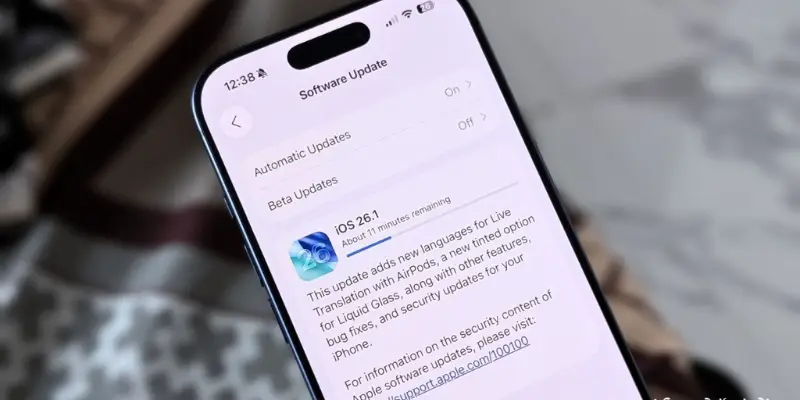
iOS 26.1 Update: Enhancements You'll Experience Every Day
When iOS 26 was released, featuring the new “Liquid Glass” design, I didn’t hesitate to call it what it really was: a case of form over function. Visually, it looked stunning in screenshots and promotional images, but the reality was different. Spend just five minutes trying to read text displayed over that shiny, blurred background, and your eyes quickly start to feel strained and fatigued, begging for some relief. Fortunately, Apple has listened to the numerous user complaints and feedback. With the release of iOS 26.1, there is now an option that allows you to toggle between Clear and Tinted modes by navigating to Settings > Display & Brightness > Liquid Glass. The new Tinted mode reduces the level of transparency, which greatly enhances readability while still preserving much of the original design’s stylish aesthetic. Is this solution absolutely perfect? Not quite. However, it definitely represents progress. More importantly, it’s a rare instance of Apple acknowledging that a particular design decision didn’t work perfectly for everyone and taking steps to address it.
Recommended for you
This one’s small but surprisingly useful and worth noting. The Mini-player located at the bottom of Apple Music now allows you to swipe left or right to skip tracks effortlessly. That’s the main update, no flashy new features or major design overhauls, just a subtle improvement that makes navigation much smoother and more intuitive. I tested this feature over the weekend, and it’s exactly the kind of muscle-memory tweak that quickly becomes second nature with regular use. It’s faster, cleaner, and overall makes the app feel noticeably more dynamic and responsive to user interactions.
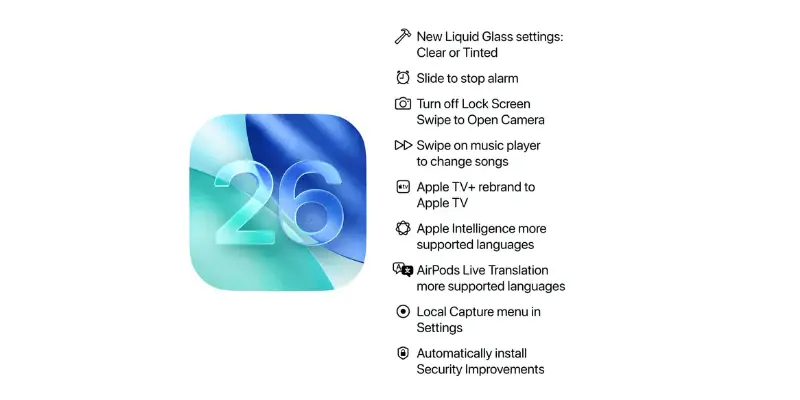
Hidden within the Settings menu under Privacy & Security and then Security Improvements, you will discover a brand-new option designed specifically for automatic background security updates. These updates are not full iOS system upgrades; rather, they are discreet, silent patches that address and fix security vulnerabilities that might arise between the major software releases. In all honesty, this feature could very well be the most important and impactful addition in the entire update. The simpler and more seamless it is for users to keep their devices protected, the safer everyone will be. You should definitely enable this feature right away without any hesitation or delay.
This has been bothering me for years. You know how swiping left on the lock screen opens the camera? It’s convenient, but also too easy to activate by mistake. With iOS 26.1, there’s finally a toggle to disable it, found in Settings. I turned it off right away. Why? Modern iPhones already offer plenty of ways to access the camera, Control Center, widgets, double-tap shortcuts, and more. Now it’s your choice: keep the quick swipe or regain a bit of peace of mind.
iOS 26.1 isn’t about completely reinventing the wheel or making drastic changes. Instead, it represents a thoughtful refinement. A careful polish that targets and addresses many long-overlooked pain points and minor frustrations users have experienced over time. From my personal experience, these subtle updates often prove to stand the test of time much better than the flashy, attention-grabbing ones do. They may not immediately impress you or catch your eye right away, but after using your device for a few weeks, your phone simply starts to feel noticeably more intuitive, smooth, and seamless in its everyday operation. That’s truly the hallmark of great software design: it’s not about what shines most brightly on a keynote slide or grabs headlines, but rather what quietly and consistently gets out of your way every single day, allowing you to use your device without unnecessary friction or distraction.